
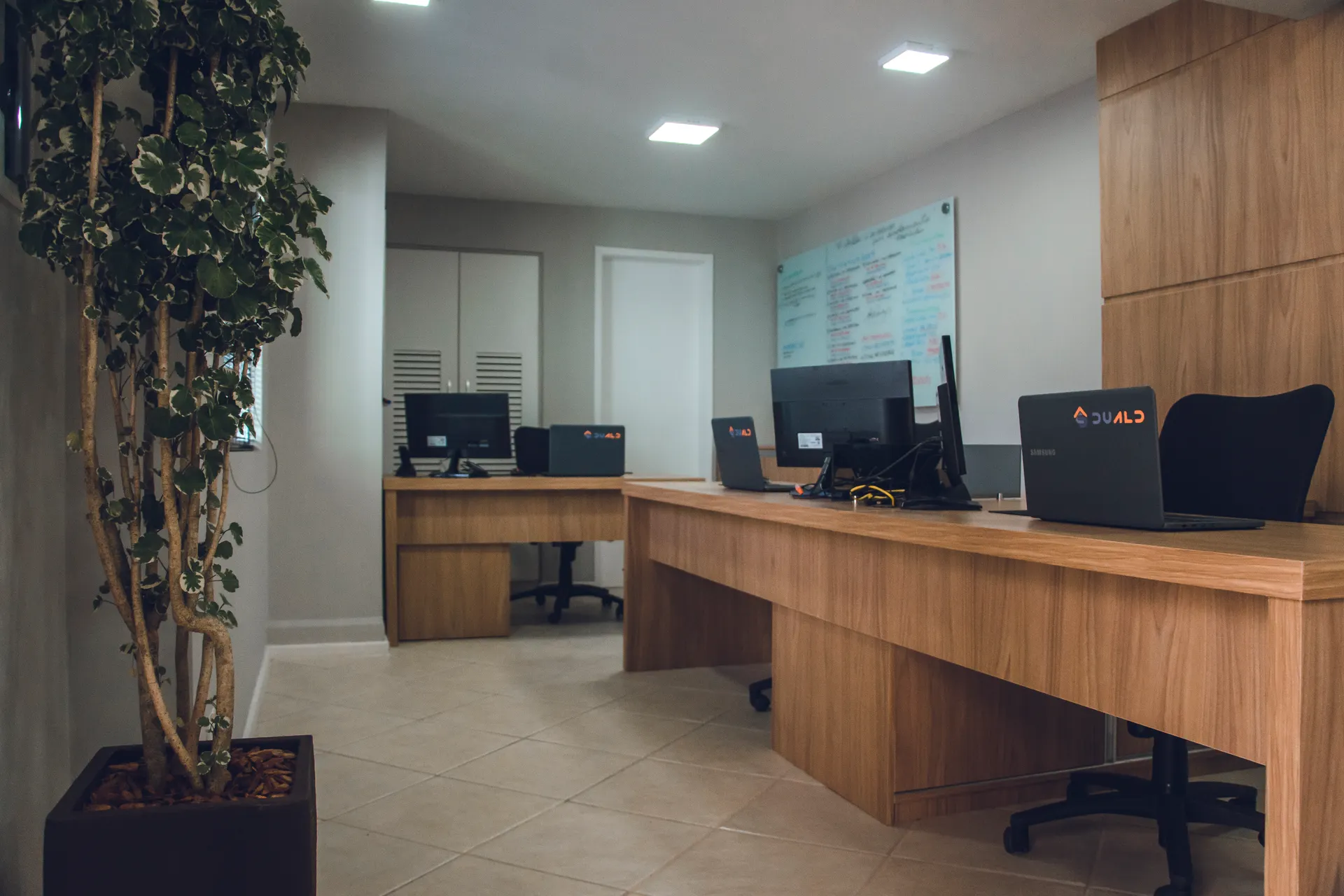
Office common areas
Start with the areas people share
Walk through reception, meeting rooms, desks, kitchens and toilets with the person arranging the clean. Note which rooms are used every day and which are only opened for meetings. Include corridors, stairs and shared entrances where these are part of your space. If another building contractor looks after a common area, make the boundary clear so the same job is not assumed twice.
Regular and occasional office cleaning
Separate regular tasks from occasional work
Write down the jobs expected at each visit, such as the agreed floor work, accessible surfaces, bins and shared facilities. Put carpet cleaning, high glass and other occasional work on a separate list with their own timing. This makes it easier to see what your regular arrangement covers and what needs another booking. Avoid a vague instruction to clean everything.
Office cleaner access
Give the team workable access
Confirm when staff finish, which meeting rooms stay in use and how the cleaners enter and leave. Explain any alarm or locking arrangements through the agreed private channel. Tell the team which desks, papers or equipment to leave alone. Your own staff can help by clearing the surfaces included in the clean before the visit.
Office cleaning records
Check the record and adjust the plan
The U Standard connects the tasks you agree with the record of the work and the people responsible for following up. In your Spruce portal, open a completed visit to review its checklist. Message your account manager about anything needing attention. If your office routine changes, review the cleaning plan rather than relying on a growing collection of one-off notes.
A practical office example
Try a weekly room plan
An illustrative office plan might put the kitchen, toilets and entrance on every regular visit, while a lightly used meeting room has a different routine. That is a starting conversation, not a standard package. Record the rooms, jobs and frequency in separate columns. Add who clears desks and who manages common areas. If one team works late on Wednesdays, note which rooms remain occupied instead of changing the entire building schedule. This helps a cleaner follow the plan and gives the person reviewing the visit something concrete to check.
Adjust the routine using the record
Review the first few visits
Look at the completed task lists alongside how your office was actually used. If the kitchen keeps needing extra attention while an occasional room is rarely opened, raise that with your account manager. A useful review changes the work or frequency, rather than adding a vague instruction to clean more thoroughly. Keep additional carpet or window work identified separately so regular visits stay comparable. For an Auckland shared-floor office, include building-manager responsibilities; for a Wellington upper-floor office, include the access window as well as the room list.
Your Cleaning Planning Checklist
Keep these details together.
- Rooms and shared areas included
- Jobs expected at each visit
- Occasional floor and window work
- Staff hours and room availability
- Entry, locking and areas to leave alone
- Who reviews the completed checklist
Find out more about our office cleaning, or talk to us about your place.